Three numbers that shape the long run
A solar system is a long-term purchase, so the figures that matter are not only the up-front price but also how output changes over time and who stands behind the equipment. This article explains price per watt, degradation and warranties in plain terms, and how to use them in a calculator.
Price per watt
Price per watt is the total installed price divided by the system's rated capacity in watts (DC). It lets you compare systems of different sizes on the same basis.
Example only: a 7 kW (7,000 W) system quoted at $21,000 works out to $3.00 per watt. A 6 kW system at $19,200 is $3.20 per watt, so it costs more per unit of capacity even though the total is lower.
Use the gross price before incentives, so quotes are compared fairly. Price per watt does not capture everything: a quote with better equipment, a stronger workmanship warranty or included electrical upgrades may justify a higher figure. It is a comparison tool, not a verdict.
Degradation
Solar panels slowly produce less electricity as they age. Manufacturers describe this in the performance warranty, typically as a guaranteed percentage of original output after a stated number of years, sometimes with a separate figure for the first year. Datasheets also often list an annual degradation rate.
For planning, degradation means year-twenty production will be somewhat below year-one production. A cautious calculator reduces output a little each year rather than assuming it stays flat. If a long-term savings projection does not mention degradation, ask whether it was included.
Panel product warranty
The product warranty covers defects in materials and workmanship of the panel itself. Lengths vary by manufacturer. Read what is covered: replacement panels only, or also the labour to remove and reinstall them? Labour can be a significant part of the cost of a claim.
Performance warranty
The performance (or power output) warranty guarantees that a panel will still produce at least a stated percentage of its rated power after a set period. It is separate from the product warranty and is where the degradation figures appear. Note both the end-of-term percentage and how a claim would be assessed.
Inverter warranty
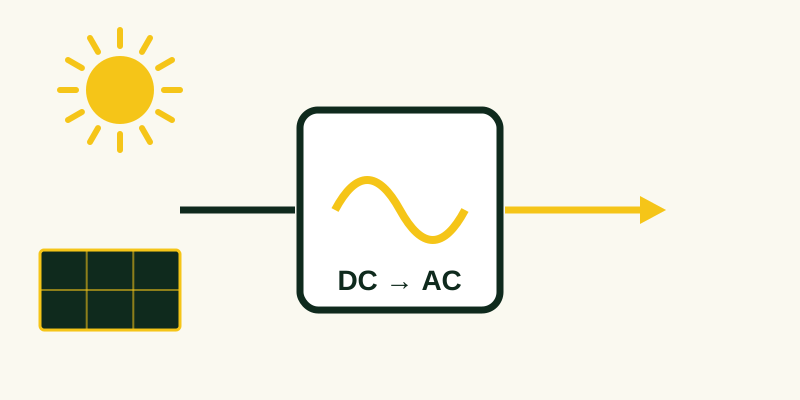
Inverters convert the panels' direct current into alternating current for your home. Their standard warranties are often shorter than panel warranties, and extended warranties may be offered for a fee. Because an inverter replacement during the system's life is common, many cautious estimates include an allowance for one.
Workmanship warranty
The installer's workmanship warranty covers problems caused by the installation, such as roof leaks around mounting points or wiring faults. It depends on the installer still being in business, so it is worth asking how long the company has operated locally and what happens if it closes. Some manufacturers offer system warranties through certified installers that may continue regardless.
Questions to ask
- What is the price per watt before incentives, and what does it include?
- What annual degradation does the production estimate assume?
- What are the product, performance, inverter and workmanship warranty terms, in writing?
- Does any warranty cover labour as well as parts?
- Who handles a claim, and what happens if the installer is no longer trading?
Incentive note (October 2026): the US federal residential clean energy credit (Section 25D) ended for expenditures made after 2025, so a homeowner buying a system today should not assume a 30% federal credit. State, local and utility programs vary and change often; check what is currently available where you live before relying on any incentive in an estimate.
Putting it into the calculators
When you use the FreshSuns savings and payback calculators, enter the gross price, the installer's production estimate and a modest degradation assumption, and include a possible inverter replacement as a future cost. The output is a rough estimate to help you compare quotes and ask better questions, not a forecast of what any particular system will deliver.